

Virtual Office vs. Virtual Mailbox: What’s the Difference?
UnknownOct 8, 2025
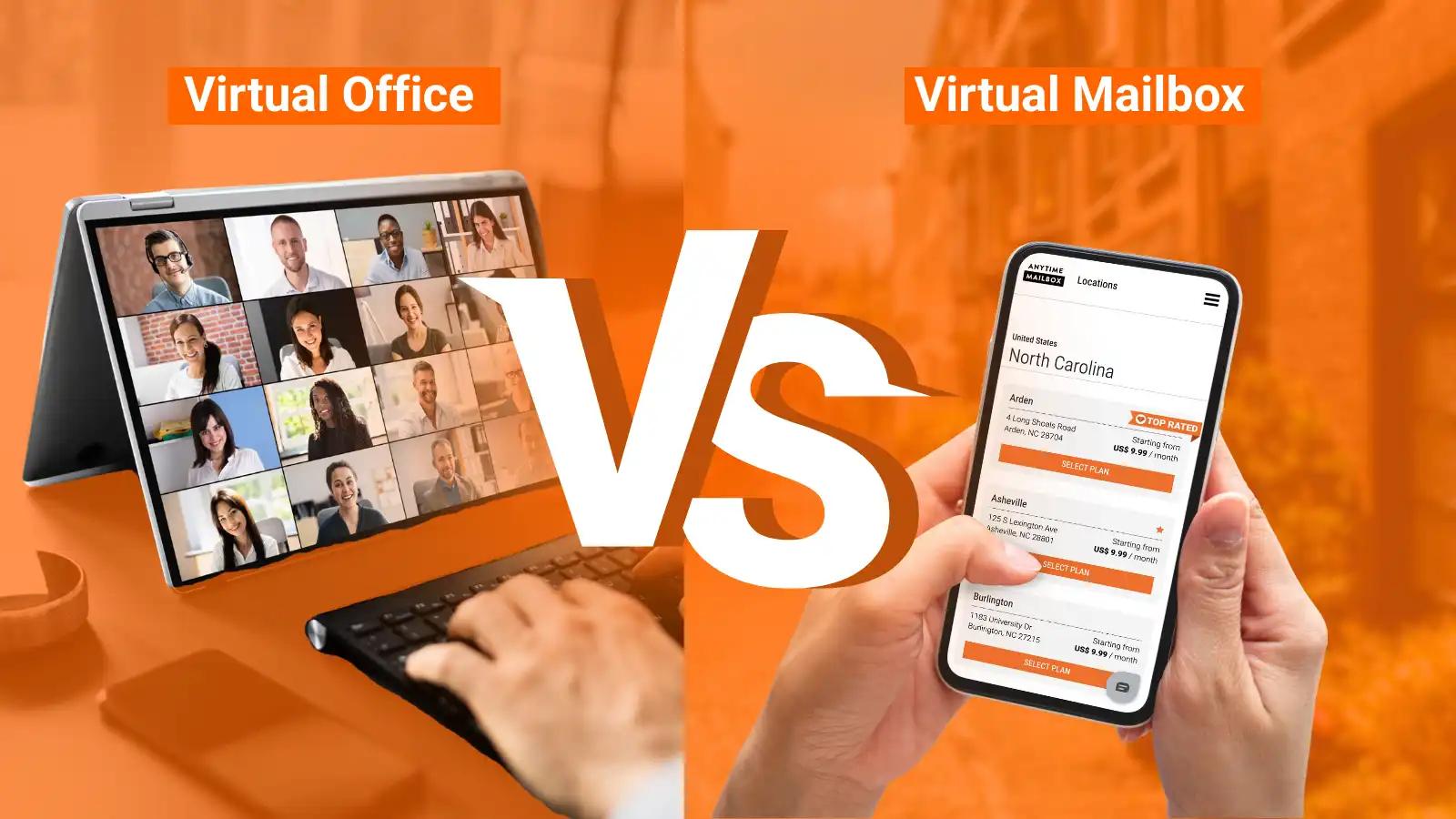
Not every modern business needs an office, but every business still needs an address. Whether you’re registering an LLC, opening a bank account, or building client trust, your address plays a bigger role than you might think.
If you’ve ever wondered what the difference is between a Virtual Office and a Virtual Mailbox, you’re not alone. Let’s make it simple: here’s how each works, what you get, and how to decide which fits your needs.
Virtual Office vs. Virtual Mailbox: What’s the Difference?
The Modern Shift to Remote Business Tools
The way people work has changed dramatically. Today, freelancers run global businesses from laptops, startups operate without a permanent headquarters, and consultants meet clients entirely online.
With this shift, “virtual” services have become essential tools, helping professionals manage operations, communication, and credibility without renting expensive office space.
Why Your Business Address Still Matters
Even if your business operates online, a professional address still plays a vital role. It’s required for things such as forming an LLC, filing taxes, and opening a business bank account. It also affects how clients and partners perceive your brand.
For example, a graphic designer listing a personal address might appear less trustworthy than one using a verified business address. A professional location tells others your business is legitimate and established.
What Is a Virtual Mailbox (and How Does It Work)?
A virtual mailbox gives you a real U.S. street address that receives your mail on your behalf.
When letters or packages arrive, they’re scanned and uploaded to your secure online dashboard. You can then choose to have them opened, forwarded, stored, or shredded.
Key Features
Mail Scanning: Your mail is opened, scanned, and digitized so you can read it online.
Mail Scanning: Your mail is opened, scanned, and digitized so you can read it online.
Mail Forwarding: Have physical copies sent to any address worldwide.
Mail Forwarding: Have physical copies sent to any address worldwide.
Secure Storage: Keep important documents safe until you need them.
Secure Storage: Keep important documents safe until you need them.
Instant Alerts: Get notified when new mail arrives.
Instant Alerts: Get notified when new mail arrives.
Pros and Cons
Pros:
Protects your privacy by keeping your home address private and off public records.
Protects your privacy by keeping your home address private and off public records.
Accessible anytime and anywhere with an internet connection.
Accessible anytime and anywhere with an internet connection.
Accepted for banking, registration, and government use.
Accepted for banking, registration, and government use.
Cons:
Monthly subscription cost.
Monthly subscription cost.
Requires internet access to manage mail.
Requires internet access to manage mail.
What Is a Virtual Office?

A virtual office offers more than just mail handling. It provides the professional presence of a physical office without the full cost or long-term commitment.
Typically, a virtual office includes a business address, mail management, receptionist services, phone answering, and even access to meeting rooms.
What’s Usually Included:
Professional business address in a recognized area.
Professional business address in a recognized area.
Live receptionist or phone answering service.
Live receptionist or phone answering service.
Mail and package handling.
Mail and package handling.
Optional meeting room or coworking access.
Optional meeting room or coworking access.
Pros and Cons
Pros:
Enhances credibility with clients and partners.
Enhances credibility with clients and partners.
Offers a physical location for meetings or mail pickup.
Offers a physical location for meetings or mail pickup.
Improves online visibility for local search results.
Improves online visibility for local search results.
Cons:
Higher cost than a virtual mailbox.
Higher cost than a virtual mailbox.
Includes superfluous services some small businesses may not need.
Includes superfluous services some small businesses may not need.
Side-by-Side Comparison: Which One Fits You Best?
Feature
Feature
Feature
Virtual Mailbox
Virtual Mailbox
Virtual Mailbox
Virtual Office
Virtual Office
Virtual Office
FeatureVirtual MailboxVirtual Office
Address Type
Address Type
Real street address
Real street address
Real street address in a business district
Real street address in a business district
Address TypeReal street addressReal street address in a business district
Mail Handling
Mail Handling
Scanning, forwarding, and storage
Scanning, forwarding, and storage
Included, plus receptionist handling
Included, plus receptionist handling
Mail HandlingScanning, forwarding, and storageIncluded, plus receptionist handling
Professional Image
Professional Image
Suitable for freelancers and small businesses
Suitable for freelancers and small businesses
Best for client-facing professionals
Best for client-facing professionals
Professional ImageSuitable for freelancers and small businessesBest for client-facing professionals
Cost Range
Cost Range
$10–$25/month
$10–$25/month
$50–$200/month
$50–$200/month
Cost Range$10–$25/month$50–$200/month
Meeting Rooms
Meeting Rooms
Not included
Not included
Often available
Often available
Meeting RoomsNot includedOften available
Ideal For
Ideal For
Remote workers, freelancers, digital nomads
Remote workers, freelancers, digital nomads
Consultants, agencies, small companies
Consultants, agencies, small companies
Ideal ForRemote workers, freelancers, digital nomadsConsultants, agencies, small companies
FeatureVirtual MailboxVirtual OfficeAddress TypeReal street addressReal street address in a business districtMail HandlingScanning, forwarding, and storageIncluded, plus receptionist handlingProfessional ImageSuitable for freelancers and small businessesBest for client-facing professionalsCost Range$10–$25/month$50–$200/monthMeeting RoomsNot includedOften availableIdeal ForRemote workers, freelancers, digital nomadsConsultants, agencies, small companies
FeatureVirtual MailboxVirtual OfficeAddress TypeReal street addressReal street address in a business districtMail HandlingScanning, forwarding, and storageIncluded, plus receptionist handlingProfessional ImageSuitable for freelancers and small businessesBest for client-facing professionalsCost Range$10–$25/month$50–$200/monthMeeting RoomsNot includedOften availableIdeal ForRemote workers, freelancers, digital nomadsConsultants, agencies, small companies
FeatureVirtual MailboxVirtual OfficeAddress TypeReal street addressReal street address in a business districtMail HandlingScanning, forwarding, and storageIncluded, plus receptionist handlingProfessional ImageSuitable for freelancers and small businessesBest for client-facing professionalsCost Range$10–$25/month$50–$200/monthMeeting RoomsNot includedOften availableIdeal ForRemote workers, freelancers, digital nomadsConsultants, agencies, small companies
In short: a virtual mailbox keeps you organized and private, while a virtual office helps you build physical presence and professionalism.
Real-Life Scenarios: Choosing Based on Your Goals
Digital Nomad: Uses a virtual mailbox to manage U.S. mail from anywhere in the world.
Digital Nomad: Uses a virtual mailbox to manage U.S. mail from anywhere in the world.
Consultant: Uses a virtual office in a city center to impress clients and receive calls.
Consultant: Uses a virtual office in a city center to impress clients and receive calls.
Startup Founder: Combines both a virtual mailbox for mail management and a virtual office for brand credibility.
Startup Founder: Combines both a virtual mailbox for mail management and a virtual office for brand credibility.
Privacy, Compliance, and Security

Your business address affects how safely and legally your mail is handled. Using your home address makes your personal location publicly available in business listings.
A virtual mailbox or office protects your identity and ensures compliance with U.S. postal regulations. Reputable providers also use encrypted systems and verification forms (such as USPS Form 1583) to ensure your mail is secure.
Cost and Value Breakdown
A virtual mailbox typically costs between $10–$25 per month, depending on mail volume and location.
A virtual office costs more, usually $50–$200 per month, since it includes receptionist services and access to meeting rooms.
The best choice depends on whether you need a physical office presence or simply a secure way to manage mail.
Hybrid Approach: Why Some Businesses Use Both
Some professionals combine both services to get the best of both worlds. For instance, a marketing consultant might use a virtual office address in New York for client trust, while managing their actual mail through a virtual mailbox in Nevada for privacy and tax benefits.
How to Choose the Right Provider
Look for providers that offer:
Verified physical street addresses accepted by banks and government agencies.
Verified physical street addresses accepted by banks and government agencies.
Transparent pricing with no hidden fees.
Transparent pricing with no hidden fees.
Secure mail handling and responsive customer support.
Secure mail handling and responsive customer support.
Choosing the right provider ensures your business looks professional and your personal information stays protected.
Final Thoughts
Both virtual offices and virtual mailboxes make it easier to run a modern business without physical limitations. A virtual mailbox is ideal for managing mail securely and affordably, while a virtual office builds a stronger physical presence.
The right choice depends on your goals. Whether you’re looking for privacy, image, or both, a reliable virtual address is a smart investment in the credibility and efficiency of your venture.